






Reducing Hysterectomies for Fibroids: Innovative solutions driving change

Hysterectomy is one of the most frequently performed gynaecological procedure globally and the most common treatment option for uterine fibroids.1,2 With the growing range of less invasive treatments available, is performing so many hysterectomies for fibroids justifiable?
The impact of hysterectomies extends beyond the physical and psychological consequences for the women having the operation, it also places a substantial burden on healthcare systems. Increasing minimally invasive surgery could mitigate this.3
What are Fibroids?
Uterine fibroids, non-cancerous growths that develop in and around the uterine wall, and are the most common benign gynaecological tumour.3 They affect an estimated 20% to 50% of women of reproductive age with up to 77% of women developing them sometime during their childbearing years.4
Fibroids disproportionately affect women of black ethnicity with studies showing notable differences in the prevalence and presentation of fibroids based on race. Black women experience fibroids more often and with more severe symptoms than some other racial populations.5
Symptoms vary depending on the size and location of the fibroid, but only 20%-50% of women with fibroids have symptoms.4 These include:
- Heavy menstrual bleeding4
- Pelvic pain4
- Symptoms caused by pressure on the bladder, resulting in frequent urination4
- Infertility, if the uterine cavity is disturbed4
Choosing Treatment
Treatment options for fibroids can be broadly categorised into:1,4
1. Surgical procedures
2. Minimally invasive procedures
3. Medical management
Surgery is the most common approach worldwide.1,7
When deciding on the treatment, all aspects of a procedure need to be considered and women fully informed of the different options.
When a recent survey in the USA asked women about surgical options, 79% expressed desire for treatments not involving invasive surgery, 51% wanted to preserve their uterus and 43% of women under 40 desire to preserve fertility.6
Despite this hysterectomy rates performed each year across the globe remain high,7 suggesting a gap between women’s preferences and the care they receive.
Impact of Hysterectomies
Hysterectomies, usually performed under general anaesthesia, require six to eight weeks of recovery depending on the surgical approach.8 They are effective and suitable for women no longer planning to have a family and for who no other options are suitable, but come with risks.1
Minimally invasive (laparoscopic or vaginal) hysterectomies are available and are usually preferable to abdominal procedures.9 They are associated with shorter hospitalisation, faster recovery, and fewer postoperative infections.9, 10
However, evidence is emerging of longer-term potential risks associated with hysterectomies including cardiovascular disease, urinary tract cancer and pelvic prolapse, as well as risks linked to the decrease in oestrogen.1 This reinforces the need to reserve hysterectomy for cases where less invasive options are not appropriate or have failed.
Alternative Surgical Options to Hysterectomies
Surgical innovations continue to be developed including minimally invasive options that reduce the impact on women and healthcare resources. These include:
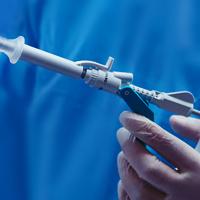
- Hysteroscopic myomectomy: This technique removes fibroids while preserving the uterus, meaning fertility is preserved. Depending on fibroid size, number and location, it can be performed in an outpatient setting using a minimally invasive technique called hysteroscopy. During this, a hysteroscope is inserted into the uterine cavity through the vagina and cervix and specialised instruments used to remove the fibroid. This procedure takes between 30-60 minutes without the need for an overnight hospital stay and a recovery time of 1-2 days.11
- Transcervical radio frequency fibroid ablation: This uses an intrauterine ultrasound handpiece to locate and target individual fibroids.12 Radiofrequency energy is delivered to shrink the fibroid and reduce symptoms over time.13,14 During this minimally invasive procedure, fibroids are treated from inside the uterus and the uterus and fertility are preserved.13 This can be performed in an outpatient setting or day case procedure without the need for a hospital overnight stay and typically takes approximately 50 minutes with 1-2 days for recovery.14,15
Benefit for Hospital Resources
Minimally invasive surgery can be performed in an outpatient setting with shorter operating and recovery times leading to shorter hospital stays.16 This helps reduce waiting lists, as more procedures can be accomplished using fewer resources when compared to those in an operating room.
Looking to the Future
Hysterectomy rates are already decreasing in several countries,17 but there is a clear opportunity to reduce reliance on hysterectomy for fibroid management. Ensuring women are fully informed on treatment options and clinicians have access to the necessary training and technology, will be critical to driving this change.
To learn more, visit the Gynaecological Health page.
For more insight articles, visit the Hologic Innovation Exchange.
- Madueke-Laveaux OS, Elsharoud A, Al-Hendy A. What We Know about the Long-Term Risks of Hysterectomy for Benign Indication-A Systematic Review. J Clin Med, 2021 Nov 16;10(22):5335
- D'Souza N, Banerjee N, Shiraz A et al. Surgical approaches to hysterectomy in benign gynaecological conditions. Obstetrics, Gynaecology & Reproductive Medicine, 2024;34(11):300-304
- Zhang Z, Huang H, Jiang K, et al. Global, regional and national uterine fibroid burdens from 1990 to 2021 and projections until 2050: results from the GBD study. BMC Women’s Health. 2025 Sep 2;25(1):423
- John Hopkins medicine. Fibroids. [internet] Last accessed 25 Mar 2026: www.hopkinsmedicine.org/health/conditions-and-diseases/uterine-fibroids#:~:text=Fibroids%20are%20growths%20made%20of,appear%20alone%20or%20in%20groups
- Katon JG, Plowden TC, Marsh EE. Racial disparities in uterine fibroids and endometriosis: a systematic review and application of social, structural, and political context. Fertil Steril. 2023;119(3):355-363
- Borah BJ, Nicholson WK, Bradley L, et al. The impact of uterine leiomyomas: a national survey of affected women. Am J Obstet Gynecol. 2013 Oct;209(4):319
- Rahman R, Gupta S, Manyonda I. Hysterectomy for benign gynaecological disease. Obstetrics, Gynaecology & Reproductive Medicine, 2017;27 (4):125-131
- NHS. Recovery – Hysterectomy. [internet] https://www.nhs.uk/tests-and-treatments/hysterectomy/recovery/ Last accessed 8 June 26
- ACOG. Choosing the Route of Hysterectomy for Benign Disease. [internet] https://www.acog.org/clinical/clinical-guidance/committee-opinion/articles/2017/06/choosing-the-route-of-hysterectomy-for-benign-disease Last accessed 8 June 26
- ACOG. FAQs: Hysterectomy. [internet] https://www.acog.org/womens-health/faqs/hysterectomy Last accessed 29 Apr 26
- WebMD Editorial Contributors. Medically Reviewed by Zilpah Sheikh, MD WebMd. Myomectomy: Types, Risks, Recovery. [internet] https://www.webmd.com/women/uterine-fibroids/surgery-for-uterine-fibroids Last accessed 23 Apr 26
- LS 05928-008 Rev 005, Instructions for Use Sonata Intrauterine Ultrasound (IUUS) Probe, September 2005
- Lukes A, Green MA. Three-Year Results of the SONATA Pivotal Trial of Transcervical Fibroid Ablation for Symptomatic Uterine Myomata. J Gynecol Surg. 2020 Oct 1;36(5):228-233
- Neis F, Kraemer B, Bauer A, et al. Recovery After Transcervical Fibroid Ablation Versus Minimally Invasive Myomectomy for Symptomatic Uterine Fibroids: A Randomised Controlled Trial. BJOG. 2026 Mar;133(4):618-625
- Chudnoff S, Guido R, Roy K, et al. Ultrasound-Guided Transcervical Ablation of Uterine Leiomyomas. Obstet Gynecol. 2019 Jan;133(1):13-22
- Levy L, Tsaltas J. Recent advances in benign gynecological laparoscopic surgery. Fac Rev. 2021 Jul 26;10:60.
- Baffour Awuah G, Schauberger G, Klug SJ, et al. An age-period-cohort analysis of hysterectomy incidence trends in Germany from 2005 to 2019. Sci Rep, 2024;14:15110